Recupero vero
Come recupera davvero un muscolo, perché il timing conta meno di quanto pensi e perché la proteina di pisello non è un piano B.
Scritto da Marta Vidal
Marketing

Recupero vero: come si recupera davvero un muscolo e perché la proteina di pisello non è un piano B
Per molto tempo la conversazione sulle proteine post-allenamento è stata breve. Whey o niente. Se volevi crescere, recuperare e rendere, prendevi whey. Le alternative vegetali erano viste, nel migliore dei casi, come un piano B per vegetariani rassegnati.
Quella conversazione sta invecchiando male. Le prove degli ultimi dieci anni, soprattutto sulla proteina di pisello, raccontano qualcosa di più interessante: in guadagno muscolare e recupero i risultati sono equivalenti. E per molte persone la versione vegetale si digerisce meglio.
In sintesi
Il muscolo cresce quando la sintesi supera la degradazione nell'arco della giornata, non in una finestra di 30 minuti.
Conta la proteina totale giornaliera e la leucina per porzione, non se l'origine è animale o vegetale.
La proteina di pisello raggiunge gli stessi risultati della whey con la dose giusta: di solito una porzione un po' più grande.
La «finestra anabolica» è molto più ampia di quanto ti abbia venduto l'industria degli integratori.
Il pisello non contiene latticini, glutine né soia, e per molte persone questo è tutto l'argomento.
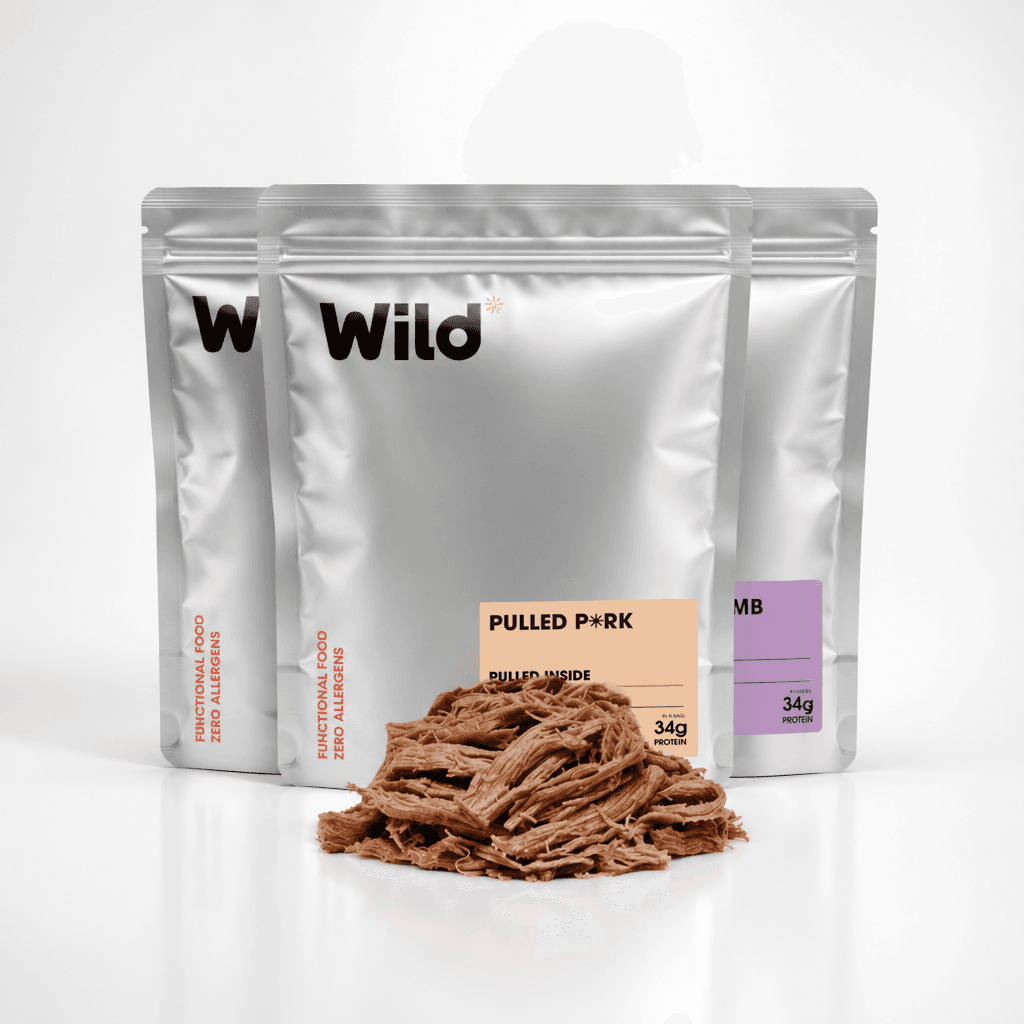
È questa l'idea dietro Pulled Protein: pisello giallo testurizzato, pronto in pochi minuti, che si mangia come cibo invece di berlo come frullato. Di più sul formato nella pagina di Pulled Protein.
Come si recupera davvero un muscolo
Per capire perché conta il tipo di proteina, aiuta sapere cosa succede quando ti alleni e mangi dopo.
Quando sollevi pesi, le fibre muscolari si danneggiano. Non è una metafora: ci sono micro-lacerazioni reali nelle proteine strutturali del muscolo, soprattutto nelle miofibrille. Il corpo rileva il danno e innesca una cascata di riparazione che ricostruisce e rinforza.
La sintesi proteica muscolare ha bisogno di aminoacidi. In particolare dei nove essenziali che il corpo non produce e deve ricavare dal cibo. Di quei nove ce n'è uno protagonista: la leucina. La leucina attiva una via chiamata mTOR, l'interruttore che accende la produzione di proteina nuova.
È questo che ha giustificato per anni il primato della whey: alto contenuto di leucina, intorno all'11% del peso proteico totale. Con 25 grammi di whey ottieni circa 2,7 grammi di leucina, abbastanza per attivare mTOR con solidità.
Dove si colloca la proteina di pisello
La proteina di pisello (estratta dal pisello giallo, Pisum sativum) ha un profilo amminoacidico che sorprende chi non l'ha guardato da vicino. Contiene tutti e nove gli aminoacidi essenziali. La leucina si ferma all'8-9%, un po' sotto la whey ma ben sopra la maggior parte delle fonti vegetali.
La differenza, in una porzione standard da 30 grammi, sono frazioni di grammo di leucina. Abbastanza vicino da rendere interessante un'altra domanda: quella differenza teorica si traduce in un risultato clinico diverso?
La risposta, con i dati disponibili, è no.
Cosa dice la scienza
Lo studio più citato è quello di Babault e colleghi, pubblicato sul Journal of the International Society of Sports Nutrition nel 2015. Hanno lavorato con 161 uomini giovani per 12 settimane di allenamento di forza, divisi in tre gruppi: proteina di pisello, whey e placebo.
Banaszek e colleghi hanno pubblicato nel 2019 uno studio simile confrontando pisello e whey in soggetti che facevano HIIT per otto settimane. Risultati equivalenti nella composizione corporea e nei marcatori di recupero.
Joy e colleghi, nel 2013, hanno confrontato proteina di riso (un'altra fonte vegetale) con whey in 24 uomini giovani per otto settimane di allenamento di forza. Stessa conclusione: guadagni equivalenti in forza e massa magra.
Lo schema si ripete. Quando confronti dosi sufficienti di proteina vegetale con la whey, i risultati clinici su persone reali sono indistinguibili. La leucina in più della whey non si traduce in muscolo in più.
| Whey | Proteina di pisello |
|---|---|---|
Leucina per 25 g | ~2,5 g | ~2,0 g |
Come si compensa | — | Una porzione un po' più grande |
Velocità di digestione | Rapida | Moderata |
Allergeni | Latticini | Nessuno dei principali |
Comfort digestivo | Dipende dalla tolleranza al lattosio | In genere ben tollerata |
Formato | Di solito un frullato | Può essere cibo vero |
La differenza è reale ma piccola, e si chiude con la dose. È tutto qui.
Cosa deve essere vero perché funzioni
C'è un distinguo importante. Gli studi che mostrano equivalenza usano dosi sufficienti di proteina. Se confronti una porzione vegetale da 12 grammi con una di whey da 24, il confronto non è onesto.
Perché una proteina attivi mTOR con solidità servono circa 2,5-3 grammi di leucina per assunzione. Nel pisello sono 25-30 grammi di proteina per porzione. Nella whey, 22-25. La differenza è modesta, e la maggior parte dei prodotti commerciali decenti rientra in quel range.
Conta anche l'assunzione giornaliera totale, e qui la scienza è piuttosto coerente. Per una persona attiva che si allena con regolarità, il range ottimale sta tra 1,6 e 2,2 grammi di proteina per chilo di peso corporeo al giorno. Per chi pesa 75 chili, sono tra 120 e 165 grammi al giorno.
È un'informazione utile che tu compri qualcosa o no. La persona media mangia parecchio sotto il proprio ottimo proteico, soprattutto con una dieta vegetale senza ragionare sui macro.
Perché a molti la versione vegetale si digerisce meglio
Ecco la parte che gli studi clinici non catturano altrettanto bene, ma che nella vita reale conta: la digestione.
La whey contiene lattosio in quantità variabili. Le versioni isolate ne hanno meno, ma raramente zero. In una quota importante della popolazione adulta (tra il 65 e il 75% a livello globale, molto meno nel nord Europa) la tolleranza al lattosio cala con l'età.
C'è inoltre una quota minore di persone che reagisce alle proteine del latte in sé (caseina, beta-lattoglobulina), a prescindere dal lattosio. Lo notano come infiammazione generalizzata, digestione pesante o un malessere aspecifico difficile da attribuire a qualcosa di preciso.
La proteina di pisello non ha nulla di tutto questo. Niente lattosio, niente caseina, niente glutine, niente soia. Per molte persone la differenza si sente dalla prima settimana.
Quando e come prenderla
Sul momento, la «finestra anabolica» dei primi anni Duemila — l'idea che hai 30 minuti dopo l'allenamento o perdi i guadagni — è stata ridimensionata. Gli studi più recenti mostrano una finestra molto più ampia, probabilmente di diverse ore.
Questo dà flessibilità. Quello che conta è:
Distribuire la proteina nell'arco della giornata in assunzioni di almeno 25-30 grammi ciascuna.
Avere un'assunzione vicino all'allenamento, prima o dopo, in una finestra di una o due ore.
Arrivare al totale giornaliero in grammi per chilo che il tuo obiettivo richiede.
Il formato conta meno di quanto suggerisca il marketing. Polvere, frullato o cibo solido: ai fini della sintesi proteica valgono uguale, se il contenuto di aminoacidi è sufficiente.
Per chi non è
La proteina di pisello, come qualsiasi altra, non è per:
Chi ha un'allergia diagnosticata al pisello o ai legumi. Poco frequente, ma reale.
Chi ha problemi renali avanzati e deve controllare l'apporto proteico totale. Vale per qualsiasi proteina, non solo per quella vegetale.
Chi cerca proteina liquida ultraprocessata per principio. Questo è un altro formato e un'altra idea.
Domande frequenti
La proteina di pisello è buona quanto la whey per costruire muscolo?
Per guadagno muscolare e forza, gli studi dell'ultimo decennio non trovano differenze rilevanti a parità di dose. La whey ha un po' più di leucina per grammo, quindi una porzione leggermente più grande di pisello colma il divario.
Quanta proteina serve dopo l'allenamento?
Tra 20 e 40 grammi copre la maggior parte delle persone, ma il totale giornaliero conta più di qualsiasi singola porzione. Distribuirla nella giornata batte concentrare tutto nel post-allenamento.
Devo prenderla entro 30 minuti dall'allenamento?
No. La finestra anabolica si misura in ore, non in minuti. È la costanza nell'arco della giornata a fare la differenza.
La proteina di pisello ha tutti gli aminoacidi essenziali?
Sì. Contiene tutti e nove gli aminoacidi essenziali. È più bassa in metionina, ed è per questo che si abbina bene ai cereali in una dieta normale.
Si digerisce meglio?
Per molte persone sì, perché non contiene lattosio. Il comfort digestivo è una delle ragioni più comuni per cambiare.
Posso mangiarla invece di bere un frullato?
È esattamente il senso di un formato testurizzato. Si cuoce in pochi minuti ed entra in un pasto normale, il che rende molto più facile mantenerlo nel tempo rispetto a un frullato in più.
Avvertenza: questo articolo ha finalità puramente informative e non costituisce un consiglio medico. I prodotti Wild Fuel sono alimenti funzionali, non medicinali, e queste affermazioni non sono state valutate dall'EFSA. Se sei incinta, stai allattando, assumi farmaci o hai una condizione di salute, consulta un professionista sanitario.
Prodotti correlati